


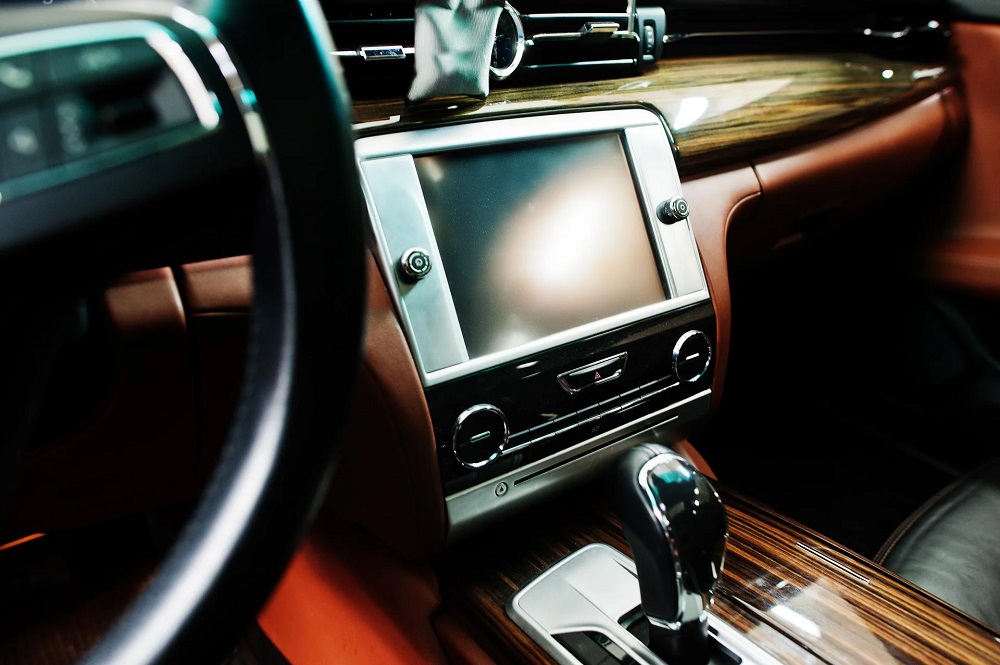
A vehicle is one of the most substantial financial investments an individual will make. While modern automotive manufacturers design cars, trucks, and SUVs with an array of integrated features, assembly line production is inherently built for the average consumer. It leaves a wide gap for individual personalization, situational optimization, and structural preservation.
Automotive aftermarket accessories bridge this gap. Upgrading a vehicle with carefully selected components allows owners to customize their driving experience, protect the underlying asset from environmental degradation, and expand the vehicle’s operational capabilities. The most effective modifications achieve a careful equilibrium, simultaneously elevating the visual aesthetic of the machine while delivering practical, everyday utility.
Interior Upgrades for Preservation and Comfort
The interior cabin of a vehicle serves as the primary touchpoint for both drivers and passengers. It is subject to continuous physical friction, dirt accumulation, and intense solar exposure, making interior accessories vital for maintaining both cabin comfort and long-term resale value.
All-Weather Floor Liners
Standard factory floor mats are typically composed of basic carpeting. While visually appealing when new, carpeted mats absorb liquid spills, track mud deep into their fibers, and are highly prone to staining and developing mildew odors.
Upgrading to heavy-duty, all-weather floor liners engineered from thermoplastic elastomers provides complete protection. These liners utilize digital laser measurements to precisely match the contours of the footwell, ensuring maximum coverage. They feature raised perimeter walls and deep channels designed to trap mud, melted snow, sand, and accidental liquid spills. Cleaning them requires nothing more than removing the liners from the cabin and spraying them down with a garden hose, preserving the factory carpet underneath perfectly.
Custom-Fit Seat Covers
Vehicle upholstery faces a constant barrage of friction, sweat, ultraviolet rays, and sharp objects. Over time, cloth seats stain and fray, while genuine leather surfaces dry out, crack, and peel.
Custom-fit seat covers manufactured from premium materials like neoprene, ballistic nylon, or leatherette offer structural defense without sacrificing aesthetic appeal. Neoprene is exceptionally popular for active lifestyles due to its water-resistant, wetsuit-like properties, which shield the original fabric from sweat and outdoor moisture. Unlike loose, universal seat covers that slide around unpredictably, custom-fit variants are patterned after specific seat structures, maintaining full compatibility with integrated side-impact airbags, heated seat elements, and folding seat mechanisms.
Advanced Window Tinting and Sunshades
Solar radiation passing through automotive glass acts as a greenhouse, trapping heat and raising cabin temperatures to dangerous levels during summer months. This extreme heat weakens interior adhesives, warps dashboard plastics, and forces the air conditioning system to work harder, dragging down fuel efficiency.
-
Ceramic Window Tint: Unlike traditional dyed tints that merely darken the glass, advanced ceramic window tint utilizes microscopic ceramic particles to block up to ninety-nine percent of harmful ultraviolet rays and over eighty percent of infrared heat radiation, keeping the cabin cooler while remaining completely transparent to cellular and wireless signals.
-
Custom-Fit Windshield Sunshades: A high-quality, reflective sunshade positioned inside the windshield when parked serves as a highly effective physical barrier against solar degradation, protecting the steering wheel and dashboard from cracking under direct sunlight.
Exterior Enhancements for Utility and Visual Impact
The exterior design of a vehicle dictates its initial aesthetic impression while interacting directly with the elements. Exterior accessories are frequently utilized to customize the vehicle’s stance and protect the paint finish from road debris.
Aerodynamic Window Deflectors
Side window deflectors, also known as rain guards, are sleek, tinted acrylic panels mounted above the door frames. These accessories alter the aerodynamic profile of the vehicle, allowing drivers to crack the windows open slightly during inclement weather without allowing rain or snow to enter the cabin.
By utilizing natural pressure differentials, deflectors draw stale air and interior moisture out of the vehicle, reducing window fogging while minimizing the intense wind buffeting noise that typically occurs when windows are lowered at highway speeds. Visually, they add a low-profile, customized look that complements dark window tinting.
Mud Flaps and Splash Guards
As tires rotate at high speeds, they continuously kick up road debris, including loose gravel, road salt, tar, and dirty water. This debris hits the lower rocker panels and quarter panels of the vehicle, creating micro-abrasions that strip away the protective clear coat and expose raw metal to rust and corrosion.
Installing heavy-duty rubber or molded plastic mud flaps right behind the wheel wells intercepts this debris at the source. This modification keeps the vehicle cleaner for longer periods and prevents rock chips that lead to expensive paint repairs.
Roof Rack Systems and Cargo Boxes
For families, outdoor enthusiasts, and road travelers, interior cargo capacity is a strict limitation. Roof rack systems consisting of aerodynamic crossbars expand a vehicle’s utility exponentially.
Constructed from lightweight, high-tensile aluminum, modern roof racks provide a secure mounting foundation for specialized attachments, such as bike racks, kayak cradles, and ski mounts. Adding a lockable, hard-shell cargo box protects luggage and gear from the weather while freeing up vital legroom inside the main cabin, maximizing passenger comfort during long-distance travel.
Technology integration for Safety and Convenience
Modern automotive accessories extend deep into the digital realm, providing older vehicles with modern safety features and enhancing driver awareness.
High-Definition Dash Cameras
A dash camera has transitioned from a tech novelty into an essential protective accessory. Mounted discreetly behind the rearview mirror, these devices continuously record the forward field of view onto a looping digital storage card.
Advanced models feature dual-camera setups that record both front and rear perspectives simultaneously, utilizing high-end optical sensors to capture clear license plate data in low-light conditions. In the event of a traffic collision, the recorded footage serves as objective, indisputable legal evidence for insurance companies and law enforcement, protecting the driver against fraudulent liability claims and staged accidents.
Smart Bluetooth Adapters and Power Inverters
For vehicles lacking integrated modern infotainment systems, a smart Bluetooth FM transmitter provides an immediate upgrade. These compact devices plug directly into the standard twelve-volt auxiliary power outlet, allowing drivers to stream navigation audio, podcasts, and music from their smartphones through the vehicle’s factory stereo system, while enabling hands-free calling capabilities.
For overland travelers and mobile professionals, installing a compact power inverter converts the vehicle’s direct current battery power into standard alternating current household electricity, allowing for the safe charging of laptops, camera equipment, and power tools directly inside the vehicle.
Frequently Asked Questions
What is the mechanical difference between universal and custom-fit floor liners?
Universal floor mats are manufactured in generic square or rectangular shapes designed to fit loosely into a wide variety of vehicle makes and models. They often require manual cutting with scissors and fail to cover the entire footwell, leaving edges vulnerable to dirt. Custom-fit floor liners, conversely, are engineered using precise three-dimensional digital laser scans of specific vehicle floorboards. They feature exact cutouts for factory retention hooks and possess high, raised edges that perfectly hug the interior walls, ensuring zero movement and absolute fluid containment.
Will installing aftermarket exterior accessories void my vehicle factory warranty?
No, installing aftermarket accessories does not automatically void a vehicle’s factory warranty. Under the federal Magnuson-Moss Warranty Act, it is illegal for an automotive manufacturer to void a warranty simply because an aftermarket component was installed. For a warranty claim to be denied, the manufacturer must conclusively prove that the specific aftermarket accessory was poorly designed, improperly installed, or directly caused the mechanical failure of the component being claimed.
How do ceramic window tints compare to traditional dyed window tints?
Traditional dyed window tints use a layer of dark dye to absorb sunlight, making the windows appear darker. While they provide basic visual privacy, they possess low heat-rejection capabilities and are highly prone to fading, turning a purple hue over time due to ultraviolet degradation. Ceramic window tints contain no dyes; instead, they utilize microscopic, non-conductive ceramic particles that act as an advanced thermal barrier. Ceramic tints reject significantly more solar heat, block ninety-nine percent of ultraviolet radiation, do not fade, and never interfere with electronic radio or GPS signals.
Why are neoprene seat covers preferred over leatherette covers for active lifestyles?
Neoprene is a synthetic rubber material widely used in diving wetsuits, making it exceptionally waterproof, flexible, and breathable. It is highly effective at absorbing shock and preventing moisture, sweat, and mud from seeping into the factory upholstery, making it ideal for athletes and outdoor workers. Leatherette, while sleek and easy to wipe clean, is non-porous and traps heat, which can cause the material to feel uncomfortably hot and sticky against the skin during warm summer months.
What is the purpose of the G-sensor feature integrated into modern dash cameras?
A G-sensor, or gravity sensor, is an internal accelerometer that continuously measures the physical forces acting upon the dash camera. When the sensor detects a sudden, violent change in movement—such as a hard impact from a collision, emergency braking, or a vehicular swerve—it interprets the event as an accident. The camera immediately flags the video segment recorded during that timeframe, moving it into a secure, write-protected folder on the memory card to prevent it from being accidentally overwritten by the normal looping video cycle.
Can a roof-mounted cargo box affect a vehicle’s mechanical performance?
Yes, installing a roof rack and cargo box alters the vehicle’s physical profile, increasing its total height and shifting its center of gravity slightly upward. This modification increases aerodynamic drag, as the vehicle must push through more air resistance at highway speeds, which can lower fuel efficiency by two to ten percent depending on the box design. Drivers will also experience an increase in ambient wind noise inside the cabin and must exercise caution when entering low-clearance parking garages or drive-through lanes.
