


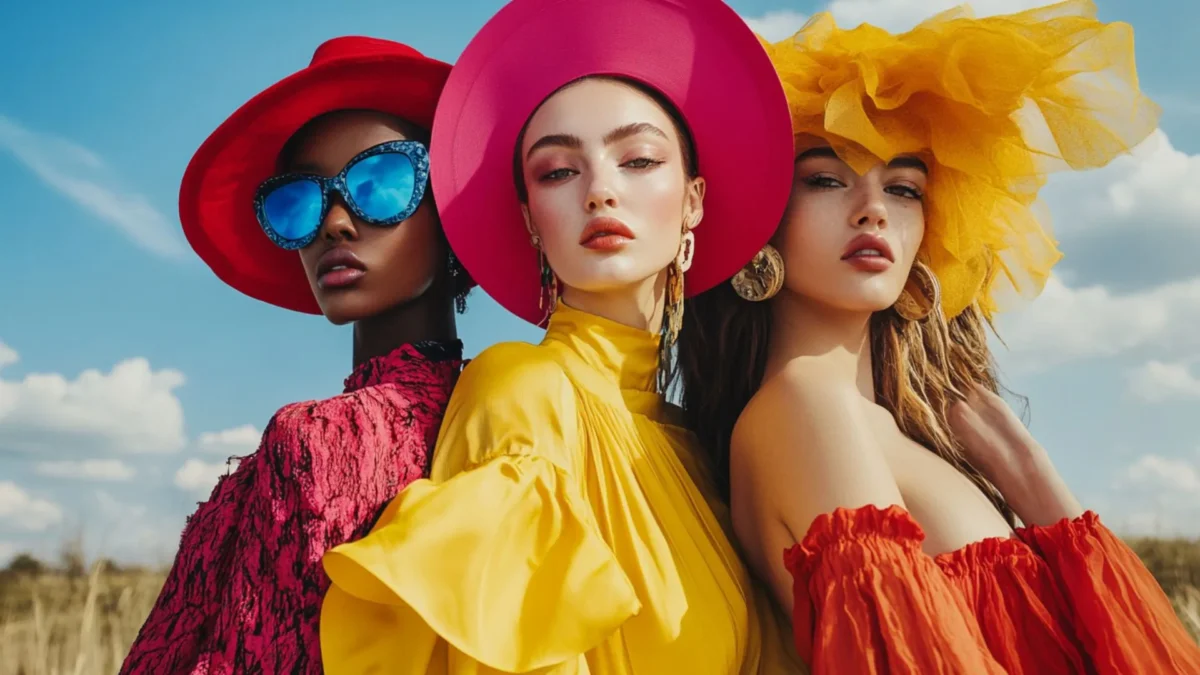
Clothing was originally developed to protect the human body from environmental hazards, low temperatures, and physical abrasions. In contemporary society, however, the items we drape over our bodies have evolved into a highly sophisticated, multi-layered system of non-verbal communication. Everyday garments function as a visual canvas for personal identity and internal confidence. Long before an individual introduces themselves verbally, their wardrobe has already delivered an articulate narrative regarding their values, background, mood, and psychological orientation.
The choices made inside a closet every morning are rarely accidental or entirely utilitarian. Instead, they represent an active process of identity construction and self-presentation. By understanding the intricate mechanisms through which fashion intersects with human psychology, sociology, and personal agency, we can appreciate how the curation of personal style acts as an essential tool for self-actualization and empirical confidence.
The Visual Language of Personal Identity
Every human being possesses a unique interior landscape comprised of personal history, ideological beliefs, creative sensibilities, and cultural heritage. Fashion provides a reliable mechanism to externalize this invisible landscape, translating abstract identity markers into tangible, visual elements like fabric texture, color palette, and structural silhouette.
Style Subtext and Societal Signaling
When an individual selects a specific stylistic aesthetic, they are aligning themselves with particular cultural narratives or subcultures, signaling their worldview to like-minded peers. Consider how different stylistic choices serve as immediate identity indicators:
-
Minimalism: The deliberate choice of neutral tones, clean geometric lines, and unbranded garments often communicates a value system centered on structural order, intentionality, sustainability, and a rejection of hyper-consumerist logomania.
-
Avant-Garde and Eclectic Styling: Utilizing asymmetrical cuts, clashing patterns, and unconventional textures signals an identity rooted in creative non-conformity, artistic experimentation, and a willingness to challenge mainstream societal boundaries.
-
Heritage and Vintage Garments: Integrating historical pieces or traditional cultural textiles into a modern wardrobe projects a deep respect for historical continuity, ancestral roots, or a nostalgic affinity for past artistic eras.
Through these visual choices, individuals establish personal boundaries and discover communities. Fashion eliminates the isolation of the unexpressed self, allowing people to find external validation and quiet solidarity in shared aesthetic spaces.
The Science of Enclothed Cognition and Internal Power
The relationship between fashion and confidence extends far deeper than external aesthetic validation. Psychological research indicates that the garments we wear actively alter our internal cognitive frameworks, emotional baselines, and behavioral patterns. This profound psychological phenomenon is known in scientific literature as enclothed cognition.
Enclothed cognition operates on the premise that clothing possesses a dual influence: the symbolic meaning attached to the garment and the physical, tactile experience of wearing it. When an individual puts on a piece of clothing that they associate with authority, competence, or creativity, the brain subconsciously adopts those exact traits.
For instance, wearing a structured, precisely tailored suit jacket can induce feelings of analytical precision and professional confidence, altering how the wearer negotiates in a corporate boardroom. Conversely, putting on fluid, high-quality loungewear can immediately down-regulate the nervous system, signaling the brain that it is safe to enter a state of creative relaxation. When your outward appearance matches your internal state or desired mental outcome, your self-esteem increases, allowing you to navigate high-stress social environments with an unshakeable sense of security.
Reclaiming Agency and Subverting Exterior Norms
For many individuals, fashion serves as a critical battleground for autonomy, empowerment, and political or social resistance. Throughout history, marginalized communities, countercultures, and individuals navigating systemic oppression have weaponized clothing to reclaim control over their own bodies and narratives.
Subverting the Societal Gaze
Mainstream society frequently attempts to impose rigid dress codes based on binary gender constructs, socioeconomic status, and occupational hierarchies. Choosing to consciously subvert these expectations is a powerful demonstration of personal sovereignty and raw confidence.
When men incorporate delicate textiles, jewelry, and fluid silhouettes into their wardrobes, they are actively decoupling personal expression from outdated definitions of masculinity. Similarly, when women adopt oversized, utilitarian tailoring that explicitly rejects structural objectification, they are prioritizing personal comfort and institutional authority over compliance with the external gaze.
By treating fashion as an active choice rather than a passive reaction to cultural expectations, individuals transform the simple act of getting dressed into a daily declaration of independence. This autonomy fuels an authentic style of confidence that does not rely on external approval, as the wearer is dressing purely to satisfy their own internal standards of truth.
Curation as a Tool for Mental Efficiency
The process of systematically curating a personal style style framework—often referred to as building a capsule wardrobe—has a stabilizing effect on an individual’s daily confidence and mental energy. The modern world presents consumers with an overwhelming volume of superficial choices, leading to a state of psychological exhaustion known as decision fatigue.
By deliberately restricting your wardrobe to high-quality, versatile pieces that genuinely fit your physiological shape and personal values, you eliminate the daily anxiety of the uncoordinated closet. Knowing that every single item you own fits impeccably and projects your authentic identity streamlines your morning routine. This structural predictability frees up vital cognitive resources, allowing you to enter your professional and personal commitments with clear focus and an composed, organized presence.
Frequently Asked Questions
How does the color palette of an individual’s wardrobe subtly influence social interactions?
Color palettes carry intense psychological and cultural associations that influence both the wearer and the observer. Darker, neutral tones like navy blue, black, and charcoal grey are universally perceived as signifiers of authority, stability, and professional seriousness, which can command respect in corporate or legal settings. Conversely, warm, vibrant colors like amber, olive green, and terracotta evoke feelings of approachability, emotional warmth, and creativity, lowering social barriers and encouraging open communication during interpersonal networking.
Can dressing in a highly stylized manner cause social alienation in conservative environments?
Dressing in an unconventional or highly stylized manner within an ultra-conservative environment can occasionally create social friction or initial alienation, as human groups naturally favor uniformity as a sign of tribal compliance. However, for an individual with high self-assurance, navigating this friction can actually solidify their reputation as an authentic, independent leader. The key lies in ensuring that the creative choices are executed with immaculate execution and cleanliness, which shifts the perception from eccentric non-compliance to deliberate, sophisticated intent.
What is the emotional relationship between childhood clothing memories and adult style preferences?
Childhood experiences with clothing establish deep emotional foundations that influence adult style preferences. If an individual was forced into restrictive, uncomfortable garments as a child, they may develop a strong adult preference for oversized silhouettes and soft textiles as a mechanism to protect their physical autonomy. Conversely, if clothing was used as a tool for celebration or emotional reward during youth, the individual is far more likely to view fashion as a joyful, low-stress playground for continuous experimentation and creative risk-taking throughout their adult life.
How does uniform dressing like a daily signature outfit impact creative decision making?
Uniform dressing, popularized by many prominent historical and modern creative icons, involves wearing near-identical variations of the same outfit every day. This habit eliminates decision fatigue at the start of the day, preserving maximum cognitive energy for complex, high-level problem-solving and creative output. Far from stifling individuality, a uniform establishes a sharp, predictable signature identity that projects extreme self-knowledge and professional discipline, signaling to the world that the wearer value substance over fleeting marketplace trends.
Why do some people experience severe anxiety when transitioning to a completely new personal style?
Experiencing anxiety during a style transition is entirely normal because clothing is deeply tied to our psychological concept of self. When you discard an old way of dressing, you are effectively shedding an old identity or defense mechanism that kept you safe in the past. Stepping out in an unfamiliar silhouette or a bolder color palette makes you feel exposed to public scrutiny, which triggers the brain’s natural aversion to vulnerability. Overcoming this requires making gradual adjustments over several weeks until your nervous system adapts to the new visual feedback loop.
In what ways does tactile sensitivity to certain fabrics intersect with emotional well-being?
Human skin is filled with thousands of hypersensitive nerve endings that transmit continuous tactile data straight to the central nervous system. Coarse synthetic fibers, rigid seams, and poorly constructed synthetics can cause low-grade physical irritation that elevates cortisol production, leading to unexplained irritability and brain fog. Investing in high-quality natural textiles like organic cotton, merino wool, linen, and silk promotes physical comfort, down-regulates the sympathetic nervous system, and directly enhances emotional stability and daily confidence.
How can fashion serve as a therapeutic tool during major life transitions or identity crises?
During major life disruptions—such as a career pivot, a divorce, or significant physical bodily changes—an individual’s sense of internal identity can become fragmented. Fashion serves as an accessible therapeutic tool because it allows you to actively control how you project yourself to the world when other life variables feel chaotic. Curating a new wardrobe that honors your current physical reality and future aspirations acts as a tangible, daily rehearsal for the person you are actively becoming, accelerating psychological healing and restoring personal confidence.
