


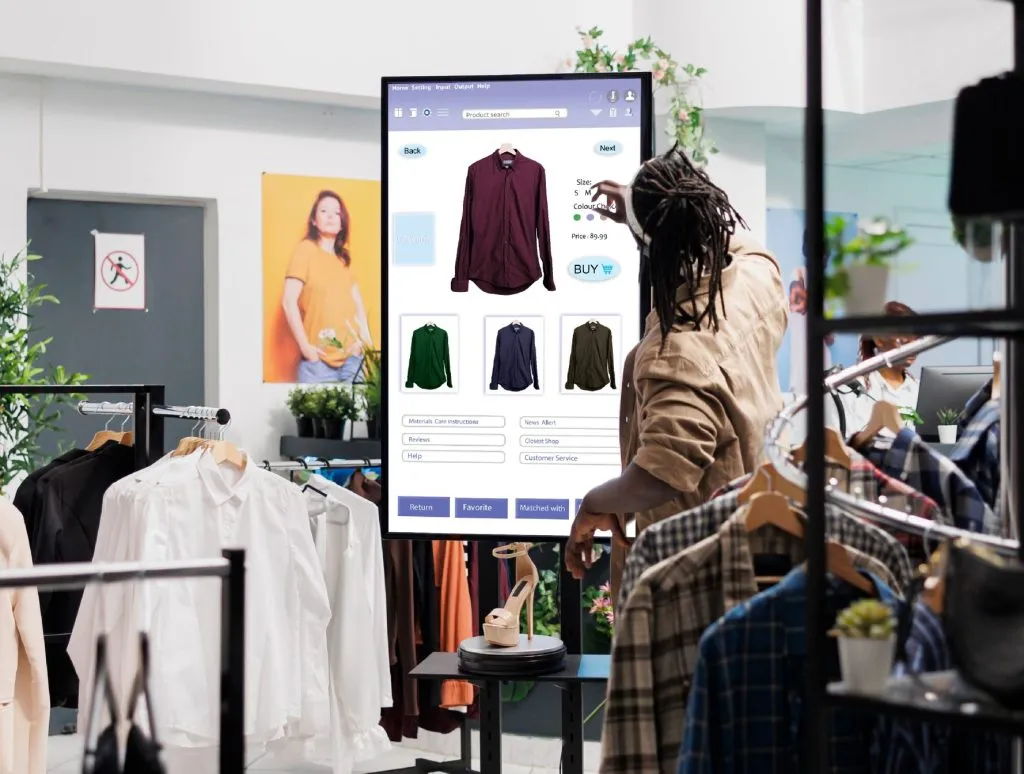
The retail landscape is undergoing a profound transformation. What began as a simple shift from brick-and-mortar stores to desktop e-commerce websites has evolved into an intricate, multi-dimensional ecosystem. Today, advanced technologies are reshaping how consumers discover, evaluate, purchase, and receive products.
As the digital and physical worlds blur, shopping is transitioning from a transactional activity into an immersive, highly personalized experience. Understanding this evolution requires a deep look into the technological, behavioral, and logistical innovations driving the future of retail.
The Convergence of Physical and Digital Realms
For years, analysts predicted that e-commerce would completely eliminate physical retail stores. However, the future of shopping is not a battle between online and offline channels. Instead, it is a harmonious blending of the two, a strategy often referred to as unified commerce or omnichannel retail.
Interactive Brick-and-Mortar Spaces
Physical stores are no longer mere storage units for inventory. Instead, they are transforming into experiential hubs, showrooms, and brand centers. Consumers visit these locations not necessarily to walk out with a shopping bag, but to engage with the brand identity.
-
Smart Fitting Rooms: Modern dressing rooms utilize smart mirrors embedded with radio-frequency identification technology. These mirrors instantly recognize the clothing items a customer brings into the room, allowing them to adjust lighting, request different sizes from a store associate via a touchscreen interface, or see digital recommendations for matching accessories.
-
Frictionless Checkout Systems: The traditional checkout line is rapidly becoming obsolete. Utilizing computer vision, deep learning algorithms, and sensor fusion, advanced retail spaces allow customers to walk into a store, scan a mobile app, pick up their desired items, and simply walk out. The system automatically tallies the purchases and charges the customer’s digital account, eliminating wait times entirely.
Augmented and Virtual Reality Integration
One of the historical hurdles of online shopping has been the inability to touch, try on, or visualize a product before purchasing. Augmented reality (AR) and virtual reality (VR) are systematically dismantling this barrier.
Through AR-powered mobile applications, consumers can project true-to-scale digital models of furniture, artwork, or appliances directly into their living spaces before making a purchase. Similarly, beauty and apparel brands use facial mapping technology to allow users to virtually try on makeup, eyewear, and clothing from the comfort of their homes. This reduces the friction of uncertainty and dramatically lowers product return rates.
Artificial Intelligence and Hyper-Personalization
At the heart of modern digital shopping is artificial intelligence (AI). Retailers generate massive amounts of data through search histories, browsing patterns, social media interactions, and purchase records. AI is the engine that converts this raw data into highly tailored, individual shopping experiences.
Predictive Consumer Analytics
Traditional retail relied on historical data to predict seasonal trends. AI operates in real time, anticipating consumer needs before the consumer may even be aware of them. Advanced algorithms analyze variables such as local weather patterns, upcoming calendar events, and individual browsing cadences to serve precise product recommendations. In advanced applications, predictive logistics allow retailers to ship high-probability items to local distribution centers before an order is formally placed, drastically reducing delivery timelines.
Virtual Personal Shopping Assistants
Generic search bars are being replaced by conversational AI assistants. These digital concierges understand natural language processing, allowing consumers to have fluid conversations about their preferences. Instead of typing broad keywords like black shoes, a shopper can instruct the assistant to find comfortable, water-resistant black footwear suitable for a business casual office environment under one hundred dollars. The AI filters thousands of options instantly, presenting a highly curated selection alongside styling advice.
The Evolution of Social Commerce and Live Shopping
The pathways through which consumers discover new products have shifted away from traditional advertising billboards and television commercials toward digital communities and media platforms.
Direct Social Purchase Integration
Social media platforms are no longer just places for discovery; they have become fully integrated marketplaces. Social commerce eliminates the traditional multi-step funnel where a user sees an ad, clicks a link, is redirected to an external website, creates an account, and inputs credit card data. By allowing users to complete transactions directly within the social media feed using securely stored credentials, retailers eliminate drop-off points, turning casual browsing into instant conversions.
The Rise of Live-Stream Retail
Live shopping, a digital modernization of home shopping television networks, has captured a massive share of the global retail market. During a live stream, an influencer, brand representative, or product expert showcases items in real time, demonstrating their features and answering live viewer questions via chat. Viewers can purchase the featured products via one-click pinned links on the screen without interrupting the broadcast. This format combines entertainment, community engagement, and urgency, driving significant sales volume.
Supply Chain, Sustainability, and Last-Mile Delivery
An exceptional front-end digital shopping experience is meaningless without an equally sophisticated back-end logistics network. The future of shopping depends on building supply chains that are resilient, fast, and ecologically responsible.
Autonomous Last-Mile Solutions
The final leg of a product’s journey from a fulfillment center to the consumer’s doorstep is traditionally the most expensive and inefficient part of the supply chain. To optimize this process, companies are deploying fleets of autonomous delivery vehicles and drones. Drones can bypass metropolitan traffic delays completely, delivering small parcels to suburban locations within minutes of order completion. Meanwhile, sidewalk delivery robots are becoming common fixtures in dense urban environments, handling localized, short-distance deliveries efficiently.
Circular Economy and Conscious Consumerism
Modern shoppers, particularly younger demographics, increasingly evaluate a brand’s environmental and ethical footprint before spending money. Digital transformation is helping retailers meet these sustainability demands.
-
Digital Product Passports: Utilizing blockchain technology, brands can attach a secure digital passport to items. By scanning a code, a consumer can view the entire lifecycle of a garment or device, verifying the origin of raw materials, the ethical standards of the manufacturing facility, and instructions for eventual recycling or resale.
-
Automated Resale Marketplaces: Peer-to-peer resale platforms integrated directly into a brand’s main website make it effortless for consumers to authenticate and sell used items back to the community, fostering a circular economy that reduces waste.
Frequently Asked Questions
What is the difference between omnichannel retail and multichannel retail?
Multichannel retail means a brand sells products through different platforms, such as a physical store, an online website, and a social media page, but these channels operate in isolated silos with separate inventory and data tracking. Omnichannel retail integrates all these platforms into a single, unified system. In an omnichannel setup, your shopping cart on a mobile app syncs instantly with your desktop account, and a store associate in a physical location can view your online wishlist to assist you in person.
How do frictionless checkout stores prevent theft and inventory loss?
Frictionless checkout environments rely on a dense matrix of overhead cameras, weight sensors on shelves, and advanced AI tracking algorithms. When a customer removes an item from a shelf, the system uses computer vision to identify the object and weight sensors to verify the removal, adding it to that specific customer’s virtual basket. If the item is placed back on the shelf, it is removed from the basket. Because every movement is tracked accurately within the designated space, traditional shoplifting is nearly impossible.
Will the rise of automation completely eliminate human employment in the retail sector?
Automation will shift the nature of retail employment rather than eliminate it entirely. While repetitive operational tasks like manual inventory scanning and cash register operation will decrease, the demand for human roles centered around customer experience, technical maintenance, data analysis, and highly specialized personal consultation will increase. Human staff will be freed from transactional burdens to focus on building genuine relationships with consumers.
What data privacy risks should consumers be aware of in the future digital shopping landscape?
Because future retail relies on hyper-personalization, brands collect vast amounts of intimate data, including facial recognition data from smart mirrors, biometric data, precise location tracking, and psychological behavioral patterns. The primary risks involve potential data breaches where this sensitive information could be stolen, or the unauthorized sharing of user profiles with third-party advertising networks. Consumers should review app permissions, utilize secure digital payment methods, and support brands that practice strict data encryption.
How does virtual reality shopping differ from standard website browsing?
Standard website browsing is two-dimensional and passive; you scroll through flat images and read text descriptions on a screen. Virtual reality shopping is three-dimensional and immersive. Using a VR headset, you can step inside a completely digital simulation of a flagship boutique store, walk through the aisles, examine three-dimensional digital renderings of products from every angle, and interact with other shoppers or digital avatars in real time, replicating the psychological thrill of physical shopping anywhere in the world.
What is dynamic pricing, and how does it affect digital shoppers?
Dynamic pricing is a strategy where retailers use AI algorithms to continuously adjust the price of a product based on real-time market variables. These variables include shifting demand, competitor pricing strategies, current inventory levels, and even the time of day. While this can sometimes result in higher prices during peak demand hours, it also allows savvy consumers to secure steep discounts when demand drops or when retailers are looking to clear inventory quickly.
